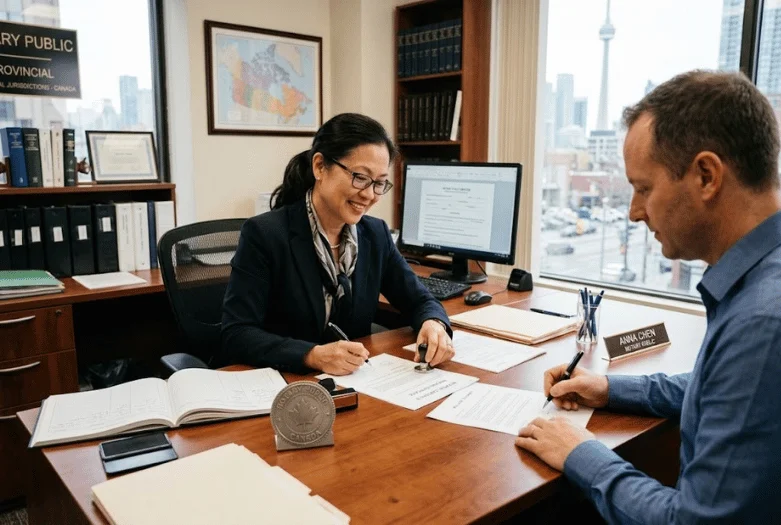


Making a will is one of the clearest ways to control what happens after your death. Wills can name beneficiaries, appoint an executor, and record choices about property and guardianship. Yet the legal rules depend on the province or territory connected to the estate.
A will records who should receive your estate and who should manage it after death. Canadian rules are provincial or territorial, so signing requirements and probate procedures vary. A valid document can also name guardians and create trusts, but it cannot replace planning for incapacity.
| Question | Practical answer |
|---|---|
| What does a will do? | It records how estate property should be handled after death. |
| Is there one Canadian rule? | No. Estate law is mainly provincial and territorial. |
| Do you always need a lawyer? | No, but complex estates often benefit from legal advice. |
| Does every estate need probate? | No. The answer depends on the assets, institutions, and local law. |
| Can a will cover incapacity? | No. Separate planning documents usually govern decisions during your lifetime. |
Key takeaways
- Estate rules differ across Canada, so your province or territory matters.
- A will can name beneficiaries, an executor, and guardians for minor children.
- Dying without one means intestacy rules decide who receives estate property.
- Probate, taxes, and estate administration are related issues, but they are not the same thing.
- Review your document after major family, financial, or geographic changes.
How Wills Work Across Canada

Canada does not have one national statute governing estates. Estate law, probate procedure, and probate fees all fall under provincial and territorial jurisdiction. That means a document valid in one place may face different procedures elsewhere.
The differences can be significant. British Columbia expressly recognizes electronic wills, while Ontario has its own execution rules for written documents. Quebec recognizes notarial, holograph, and witnessed forms under its civil-law system.
What a Will Can Control
A will can direct who receives property that forms part of your estate. It can also name the person responsible for administering that property after death. Parents can use it to express guardianship choices for minor children, subject to local law.
The document can also create trusts and set conditions for gifts. That can help when beneficiaries are young or need longer-term financial management. Funeral wishes may appear there, although families sometimes need those instructions before the document is located.
A will does not control every asset you own. Some property may pass through joint ownership or a valid beneficiary designation. Coordinating those arrangements with the estate plan can prevent conflicting instructions.
What Makes a Will Valid
Validity depends on the law that applies to the document. Common requirements include legal capacity, clear testamentary intent, and compliance with signing rules. Witness requirements can change by province, by document type, and by the method used.
Ontario’s Succession Law Reform Act, R.S.O. 1990, c. S.26 states that a will must be in writing and signed by the maker in the presence of two witnesses, who each sign in the maker’s presence, subject to the exceptions the Act sets out. Ontario law also permits remote witnessing through audiovisual technology when specific conditions are met. British Columbia allows electronic documents under its succession legislation.
Quebec uses a different framework. A notarial will is prepared by a notary and generally signed with a witness present. Quebec also recognizes holograph and witnessed forms, but their formal requirements differ.
| Situation | Why extra care may help |
|---|---|
| Blended family | Competing family expectations can create drafting problems. |
| Business ownership | Shares, succession plans, and tax issues may need coordination. |
| Property outside Canada | More than one legal system may affect the estate. |
| Beneficiary with a disability | Trust design and benefit eligibility can matter. |
| Likely family dispute | Clear drafting and capacity evidence can reduce uncertainty. |
What Happens If You Die Without a Will
Dying without a valid will is called dying intestate. Provincial or territorial legislation then determines who can inherit estate property. Someone may also need court authority to administer the estate.
Those default rules may not match personal relationships or informal promises. They also differ across Canada, especially for spouses, partners, and children. A person should not assume the same result applies in every province.
Ontario shows why that distinction matters. Part II of Ontario’s Succession Law Reform Act states who inherits when there is no will, and a common-law partner is not on that list. A married spouse and blood relatives take the estate instead, so an unmarried partner may receive nothing without a will or a separate claim. Other jurisdictions use different definitions and succession rules, so local law must be checked.
Executor, Probate, and Tax Are Different Issues
The executor, estate trustee, personal representative, or liquidator handles the estate after death. The title depends partly on the jurisdiction and legal tradition. The role can include locating assets, paying debts, filing tax returns, and distributing property.
Probate is a court process that may confirm the representative’s authority or the document’s validity. Not every estate needs the same court process. Lawverra’s probate guide explains the Ontario certificate process and provincial estate administration tax.
Tax is a separate issue again. The legal representative must file the deceased person’s final tax return with the Canada Revenue Agency. Capital property can also be treated as disposed of immediately before death, subject to exceptions and rollover rules.
Canada does not impose one national probate fee. Provincial charges and procedures differ, and some assets may pass outside the estate. Lawverra’s inheritance tax guide explains how taxes and probate charges can arise before beneficiaries receive property.
Do You Need a Lawyer to Make a Will?
A lawyer is not automatically required for every valid document. People can prepare estate documents through several methods, depending on local law. The chosen method still has to satisfy the rules that apply.
Professional advice becomes more useful as complexity increases. Blended families, businesses, foreign property, trusts, and expected disputes can create issues that templates may not address. A lawyer or Quebec notary can also explain how local rules apply to specific facts.
Cost should be considered alongside complexity. There is no single national price for preparing an estate document. DIY tools may cost little, online services charge fixed fees, and professional fees vary with the work required.
When You Should Review or Update Your Will
A document can become outdated even when it remains legally valid. Marriage, separation, divorce, children, property purchases, business changes, and a move can alter the planning picture. Changes to beneficiaries or executors can also require a fresh review.
Provincial law can change the legal effect of some life events. Ontario, for example, changed its rules on marriage and revocation in recent years. Updating after a major event is safer than assuming an older document still produces the intended result.
Review the document periodically even when life seems stable. Confirm that the executor is still willing and able to act. Also check beneficiary designations, ownership arrangements, and the location of the original document.
A Will Is Not a Power of Attorney
A will operates after death, while a power of attorney governs decisions during life. The two documents solve different problems. Having one does not automatically give you the protection offered by the other.
For example, an Ontario continuing power of attorney can cover property decisions during incapacity. A separate personal-care document can address health and living decisions. Lawverra’s Ontario power of attorney guide explains the two roles and their different triggers.
Estate planning therefore involves more than deciding who inherits. It can also include incapacity planning, beneficiary designations, tax planning, and clear records. The right combination depends on the person’s province and circumstances.
Before You Sign
| Check | Why it matters |
|---|---|
| Confirm your province or territory | Local law controls the formal requirements. |
| Choose an executor and backup | The estate needs someone able to act. |
| Identify beneficiaries clearly | Ambiguous names or gifts can create disputes. |
| Review guardianship choices | Parents should plan for minor children where applicable. |
| Check signing and witnesses | Execution errors can affect validity. |
| Coordinate outside-estate assets | Beneficiary designations and joint ownership may override expectations. |
| Store the final document safely | The representative needs to locate the operative version. |
| Tell the right people where it is | A document that cannot be found may create serious delays. |
Frequently Asked Questions
Are wills legally required in Canada?
There is no general Canadian requirement that every adult have one. Succession law is provincial or territorial, so the applicable local rules still matter. Ontario and Quebec guidance both treat making a will as optional.
Can a common-law partner inherit automatically?
The answer depends on the province and the legal issue involved. In Ontario, an unmarried partner does not automatically inherit under the intestacy rules. Lawverra’s common-law Ontario guide explains that distinction and related support issues.
Can I make an online will?
Online preparation may be possible, but execution rules remain jurisdiction-specific. British Columbia expressly recognizes electronic wills under provincial law. Other provinces may require paper signatures or impose different electronic and remote-witnessing rules.
Does every will have to go through probate?
No. The need for probate can depend on the assets, ownership structure, financial institutions, and local law. A Quebec notarial will, for example, does not require probate before it can be used.
How often should I review my estate plan?
Review it after major family, financial, or geographic changes. A periodic review also helps catch outdated executors, beneficiaries, addresses, and asset arrangements. The goal is to keep the plan aligned with current law and current wishes.
Your Next Step
Start by listing your assets, debts, beneficiaries, and the person you would trust to administer your estate. Then check the rules for the province or territory that applies to you. For complex estates or uncertain family situations, obtain advice from a qualified lawyer or Quebec notary.