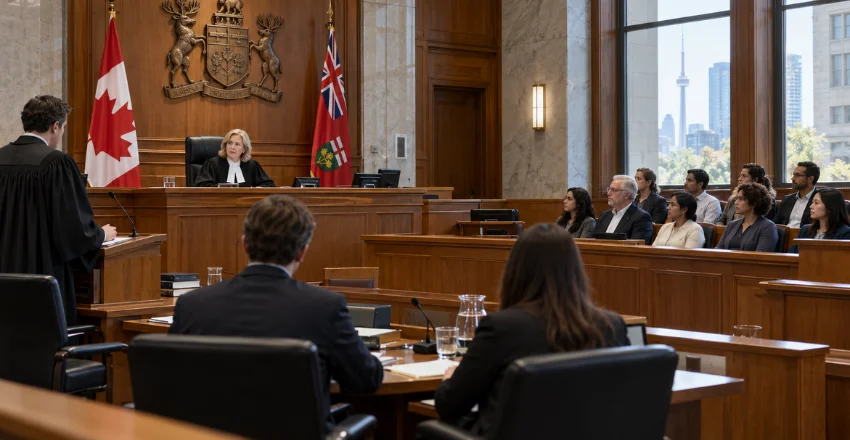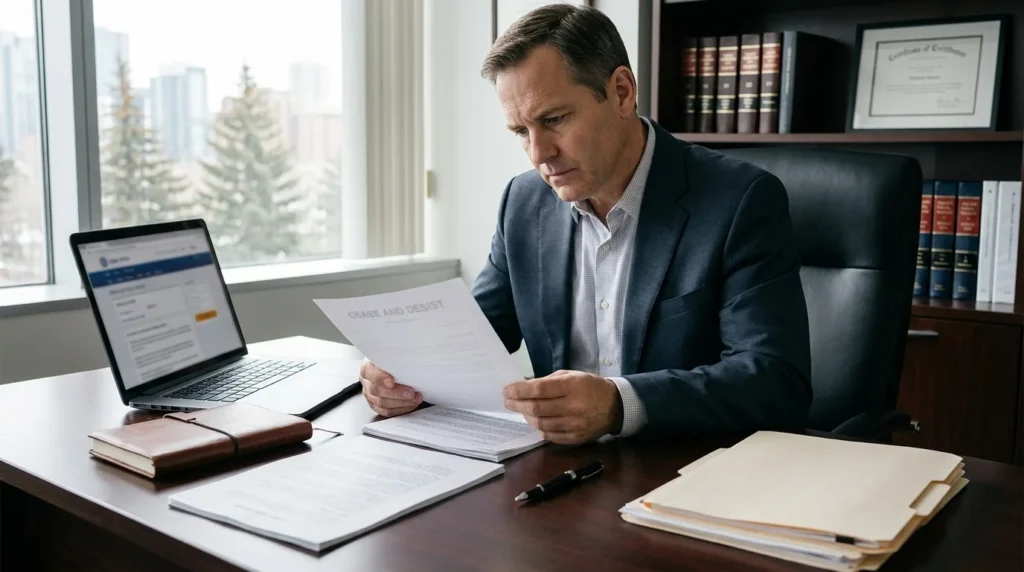


Being charged with impaired driving can affect your licence, record, work, and daily mobility. An impaired driving lawyer can review the evidence and explain the court process. In Canada, federal criminal rules can operate alongside separate provincial or territorial driving sanctions.
Short answer: A lawyer can examine the stop, police demands, testing records, disclosure, and possible Charter issues. Counsel can also explain penalties, resolution options, court steps, and any separate licence process. No lawyer can promise a specific result, because outcomes depend on the evidence and your circumstances.
| Key point | What it means |
|---|---|
| Main federal law | Criminal Code sections 320.14 to 320.24 govern core offences, penalties, and driving prohibitions. |
| Common allegations | Alcohol impairment, drug impairment, prohibited blood concentration, or refusing a lawful demand. |
| First-offence minimum | A first basic offence can carry a $1,000 minimum fine after conviction. |
| Refusal minimum | A first refusal offence carries a $2,000 minimum fine after conviction. |
| Driving prohibition | A first conviction normally brings a federal prohibition of one to three years. |
| Provincial rules | Roadside suspensions, impoundments, appeals, and interlock rules vary by jurisdiction. |
| Legal fees | Fees depend on the lawyer, province, case complexity, experts, and whether trial is required. |
Sources: Criminal Code sections 320.14, 320.19, and 320.24; Department of Justice Canada.
What an impaired driving lawyer can review
A defence lawyer starts with the evidence, not with a promised outcome. Counsel can compare police actions with Criminal Code requirements and available disclosure. The review may reveal factual, technical, or constitutional issues that deserve closer attention.
Common material includes officer notes, video, breath records, certificates, witness evidence, and timelines. Drug cases can involve screening records, evaluations, laboratory results, and medical issues. Refusal cases can turn on the demand, response, and whether a reasonable excuse is supported.
A lawyer may review the following points.
- The legal basis for the traffic stop or detention.
- The wording and timing of breath or drug demands.
- Testing procedures, records, certificates, and device evidence.
- Access to counsel and other Charter issues.
- Disclosure gaps, witness conflicts, or timeline problems.
- Options for negotiation, motions, resolution, or trial.
A strong review does not guarantee an acquittal or withdrawal. It identifies which issues have legal or factual support. That helps you make informed choices before entering a plea or setting a trial.
What Canadian law covers after a DUI charge
The Criminal Code prohibits operating while ability is impaired by alcohol, drugs, or both. It also creates separate prohibited-concentration offences for driving within two hours of drinking. The alcohol threshold is 80 milligrams per 100 millilitres of blood.
Canadian law also makes refusing certain lawful testing demands an offence without reasonable excuse. “DUI” is common search language, but the Criminal Code uses specific offence wording. Your charging document should identify the provision the Crown says applies.
| Allegation | Federal rule in general terms |
|---|---|
| Impaired operation | Ability to operate is impaired to any degree by alcohol, drugs, or both. |
| Alcohol concentration | BAC is at least 80 mg per 100 mL within two hours of driving. |
| Drug concentration | A prescribed drug concentration is met or exceeded within two hours. |
| Refusal | A person knowingly fails or refuses a lawful demand without reasonable excuse. |
The Crown still must prove the charged offence beyond a reasonable doubt. The route depends on the charge, evidence, and the Crown’s election. Lawverra’s guide to indictable offences explains how criminal procedures can differ.
Penalties and licence consequences can overlap
Federal penalties depend on the offence, prior history, concentration, and resulting harm. Under section 320.19 of the Criminal Code, a first basic offence carries a $1,000 minimum fine after conviction. Higher alcohol readings can raise that minimum to $1,500 or $2,000.
A first refusal conviction carries a minimum fine of $2,000. Second offences carry a 30-day minimum jail term, while later offences carry 120 days. Indictable impaired-operation and refusal offences can carry a maximum of ten years.
The Criminal Code also requires a driving prohibition after specified convictions. For a first offence, the federal range is generally one to three years. Any imprisonment is added to that prohibition period.
Separate provincial or territorial consequences may begin before the criminal case ends. These can include roadside suspension, vehicle impoundment, remedial programs, or appeal deadlines. Check the notice you received and get province-specific advice quickly.
If police kept you in custody, Lawverra’s bail guide explains general release principles. Its probation guide covers common community-supervision conditions. Those resources cover stages separate from the driving allegation itself.
What legal fees can include
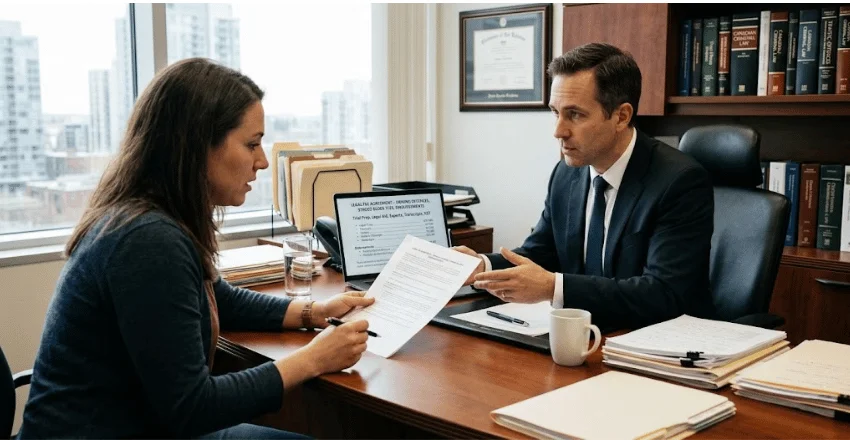
There is no single national price for defending a driving-related criminal charge. Lawyers may use hourly billing, staged block fees, or another written fee arrangement. Trial preparation usually requires more work than an early resolution.
Ask for a written quote that explains scope, taxes, and possible disbursements. Experts, investigators, transcripts, travel, or licence appeals may be billed separately. A consultation should clarify what happens if the case becomes more complex.
| Fee question | What to ask before retaining counsel |
|---|---|
| Initial meeting | Is the consultation free or paid, and how long does it last? |
| Pre-trial work | Does the fee include disclosure review, Crown discussions, and routine appearances? |
| Motions | Are Charter motions or expert applications included? |
| Trial | Is preparation included, and is trial billed by the day or in blocks? |
| Disbursements | Which expert, travel, filing, or investigation costs are extra? |
| Licence process | Is a provincial suspension challenge included or separately retained? |
Price matters, but a low quote does not show experience with similar files. Ask how often the lawyer handles alcohol, drug, and refusal allegations. Also ask who will appear in court and who answers your questions.
How to choose counsel in your province or territory
Start by confirming that the lawyer is licensed where your case is being heard. Provincial and territorial rules can affect suspensions, interlock programs, court practice, and appeal deadlines. A national article cannot replace advice tied to your local process.
During the first call, focus on experience and communication, not guarantees. Ask what evidence counsel expects to receive and which early deadlines matter. A careful lawyer should explain uncertainty rather than promise a win.
Useful questions include:
- How many similar driving files do you handle?
- Who will review my disclosure and appear in court?
- What issues do you expect to examine first?
- What is included in the quoted fee?
- Could a provincial suspension require a separate challenge?
- When should I expect the next major decision?
Lawverra does not recommend or rank individual lawyers. Use your provincial or territorial regulator or referral service to verify licensing. Then compare experience, fee scope, availability, and communication before retaining counsel.
What to do after you are charged
First, read every police, court, suspension, and impound document you received. Different documents can carry different deadlines or attendance requirements. Missing a provincial review deadline can affect your licence before criminal court.
Next, preserve information while it is fresh. Write down the stop, conversations, testing sequence, medication, passengers, and any medical issues. Do not alter records or contact witnesses to shape their account.
Take these practical steps:
- Record your next court date and every licence deadline.
- Keep all police, towing, suspension, and release documents together.
- Save receipts, videos, messages, or location records that may matter.
- Prepare a short timeline for your lawyer.
- Ask counsel before deciding on pleas or resolution.
If private representation is unaffordable, check local legal aid and duty-counsel options. Lawverra’s guide to pro bono legal services explains other free or reduced-cost starting points. Eligibility and available services vary across Canada.
Frequently asked questions
Do I need a lawyer for a first impaired driving charge?
A first charge can still lead to a criminal conviction, fine, and driving prohibition. Provincial consequences can also affect your licence before the criminal case finishes. Legal advice can help you understand the evidence, deadlines, and realistic options.
How quickly should I contact an impaired driving lawyer?
Contact counsel as soon as practical after receiving your documents. Some provincial licence reviews have deadlines that differ by jurisdiction. Early advice also helps preserve records and identify disclosure to request.
Can a lawyer get the charge dismissed?
A lawyer can identify legal or evidentiary problems and raise supported arguments. The Crown may withdraw, resolve, or continue a charge depending on the evidence. No responsible lawyer can guarantee dismissal before reviewing the file.
Can I drive while my criminal case is pending?
That depends on your suspension, prohibition, licence status, and applicable provincial rules. A pending criminal case does not create one national answer. Read your notices and get local legal advice before driving.
What if I was charged with refusing a breath or drug demand?
Refusal is a separate Criminal Code offence when you knowingly refuse a lawful demand without reasonable excuse. A first conviction carries a minimum fine of $2,000 under federal law. Counsel can review the demand, communication, opportunity to comply, and supporting evidence.
Can legal aid cover this type of case?
Criminal legal aid exists across Canada, but each jurisdiction sets its own coverage rules. Some applicants may receive representation, while others may receive more limited assistance. Contact the legal aid plan in your jurisdiction for current criteria.
Next step: find licensed counsel in your jurisdiction
If a charge or roadside suspension is active, verify counsel through your provincial or territorial regulator. Ask about your first court date, licence deadline, fee scope, and who will handle the file. If private counsel is unaffordable, contact your local legal aid plan promptly.
Do not choose counsel only from advertising claims. Verify licensing and ask for written fee terms before paying a retainer. Keep copies of every document you share.
Sources checked and legal-information limit
This guide uses the current federal Criminal Code and Department of Justice impaired-driving materials. It distinguishes federal criminal consequences from provincial and territorial licence systems. Check local rules before anyone acts on a deadline.
Lawverra publishes general legal information and is not a law firm. This article does not create a lawyer-client relationship or replace advice about your circumstances. If charged, speak with a licensed criminal defence lawyer in the relevant Canadian jurisdiction.